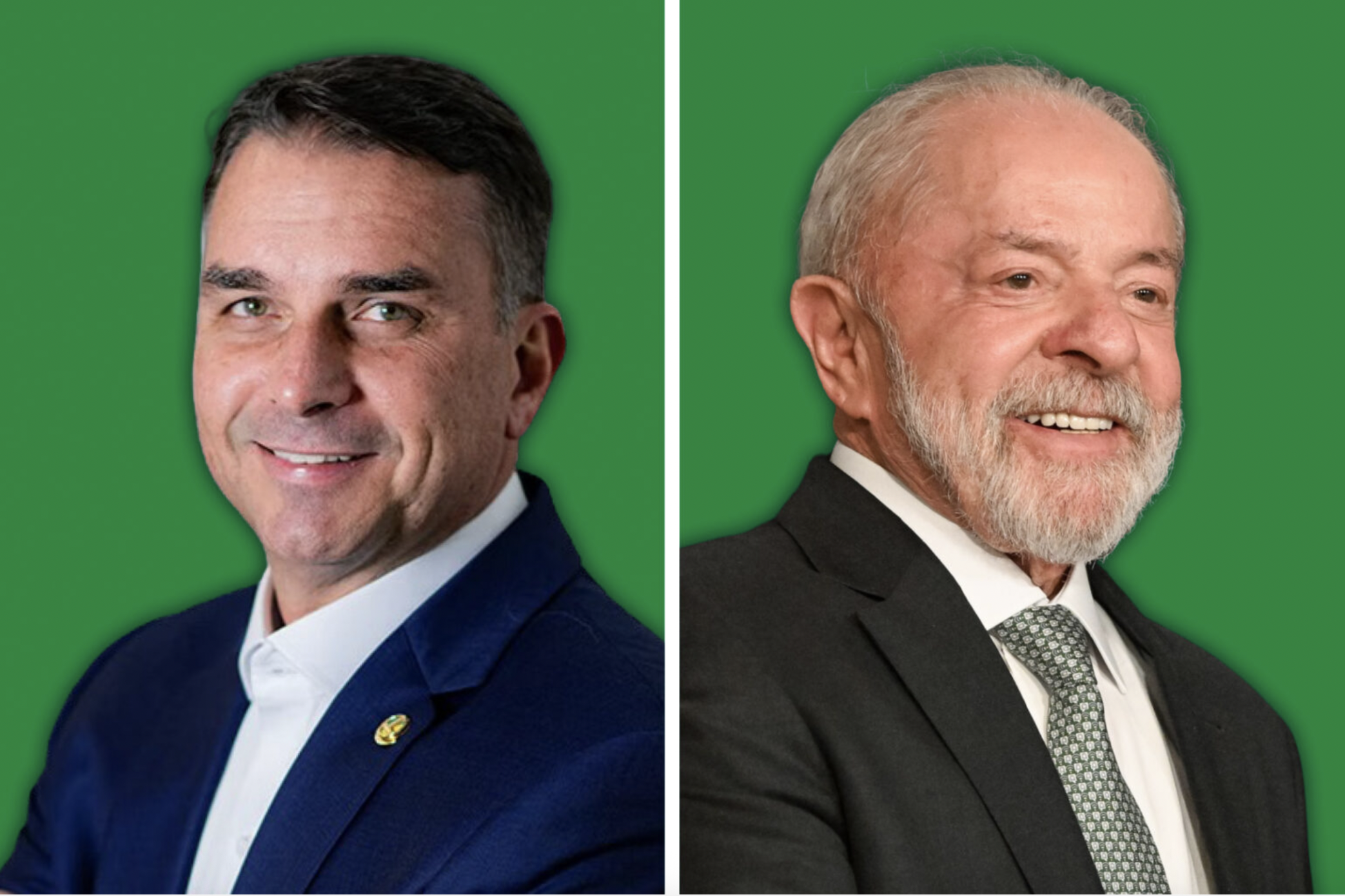
The 2026 Brazil presidential election will head to a runoff after no candidate received over 50% of the popular vote required to win. The second round will take place on October 25th. Flávio Bolsonaro, a senator who took 47% of the vote and the incumbent, Luiz Inácio Lula de la Silva, or Lula, who only received 44.9% of the vote, both advanced despite Lula being favored going into the election.
“I was convinced I would win the election in the first round,” Lula told supporters on October 4th, when the first round took place. “Starting tomorrow, we begin a new campaign.”
After losing to Lula in 2022, Jair Bolsonaro, Flávio’s father, led a failed conspiracy to stay in power, which, according to police, included plans to assassinate Lula. In September 2025, the Brazilian Supreme Court sentenced Jair to more than 27 years in prison, which he is now serving under house arrest due to health reasons.
While Jair is not allowed to run in this year’s election, Flávio, a right-wing candidate in the PL (Liberal Party) follows in his father’s footsteps. He has supported his father and promised to pardon him if elected. On the other hand, Lula, a left-leaning politician who serves as the head of PT (Workers’ Party), is running for his fourth term, having served two terms from 2003 to 2010. From 2018 to 2019, Lula was imprisoned on convictions of corruption, which the Brazilian Supreme Court declared legally void in 2021.
Lula and Flávio have drastically different visions for Brazil, especially regarding Brazil’s relationship with foreign countries. Lula has tried to distance Brazil from the US and President Trump’s tariff agenda. He has negotiated with Trump to reduce tariffs and emphasized Brazil’s judicial independence: “Brazil is nobody’s backyard,” he said at a UN assembly in September.
On the other hand, Flávio has tried to establish ties with world leaders like Trump, and he has been endorsed by Benjamin Netanyahu, the PM of Israel. If he is elected, it will support the broader trend of the Latin Americas shifting right politically, as both Columbia and Peru’s presidential elections were narrowly won by right-wing candidates.
For this election, there are important issues that affect Brazilians. One of the biggest is crime, including robberies and extortion that cause many Brazilians to feel insecure. Other issues include a slow economy, unemployment, and inflation. Corruption has shadowed Brazil for the past few years, with the most recent and significant issue involving a scandal related to the collapse of the Brazilian bank Banco Master. Also, Flávio is currently under investigation for money laundering and tax evasion. He has denied any wrongdoing, but this has made corruption a major issue for voters.
Although the second round of the election could go either way, broader trends and the fact that the Liberal Party won several government positions suggest that Brazil and other Latin American countries will change politically in the years to come.